Capture it before it disappears
.svg)

Quick Summary
The construction milestones that create long-term operational memory
Every construction project has moments when the building is telling you something that will soon be hidden.
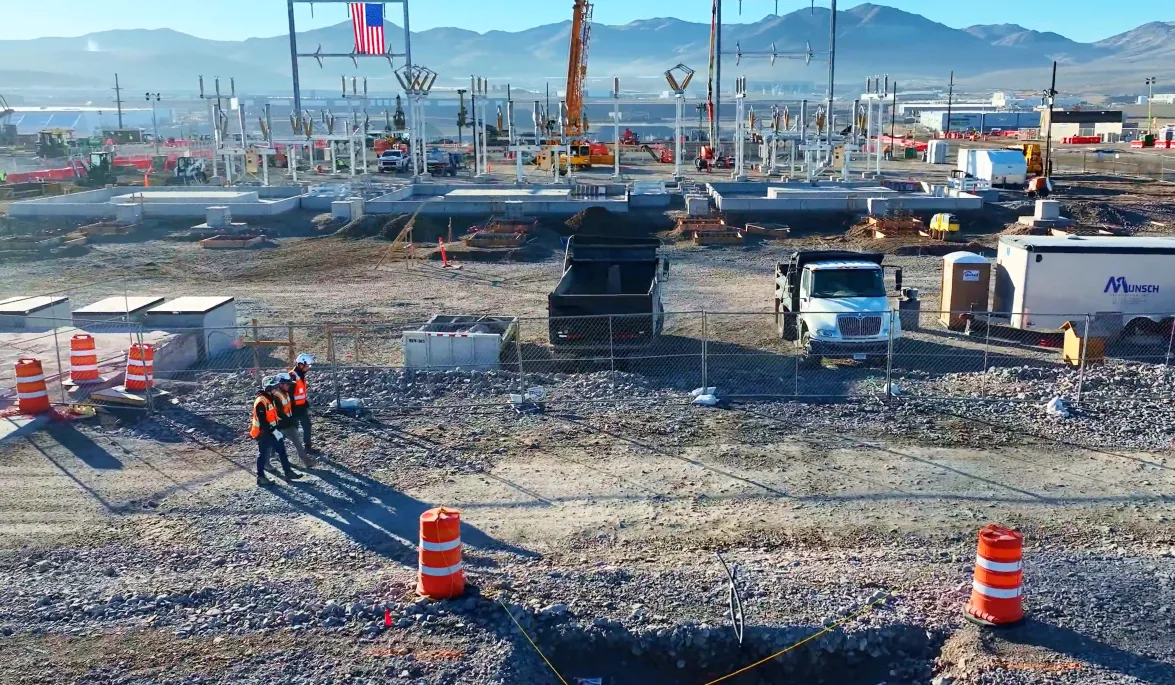
The trench is open. The duct bank is visible. The rebar is in place. The slab has not been poured. The wall is not closed. The ceiling is not installed. The roof assembly is exposed. The electrical panel is accessible. The pipe labels are readable. The controls are not yet buried in a crowded ceiling space.
Then the work moves forward. The trench is backfilled. The slab is poured. The wall is closed. The ceiling is installed. The roof is covered. The equipment room is energized. The system becomes harder to see, harder to access and more expensive to verify.
This is why construction reality capture can be so valuable to operations: it preserves visual evidence before important information disappears.
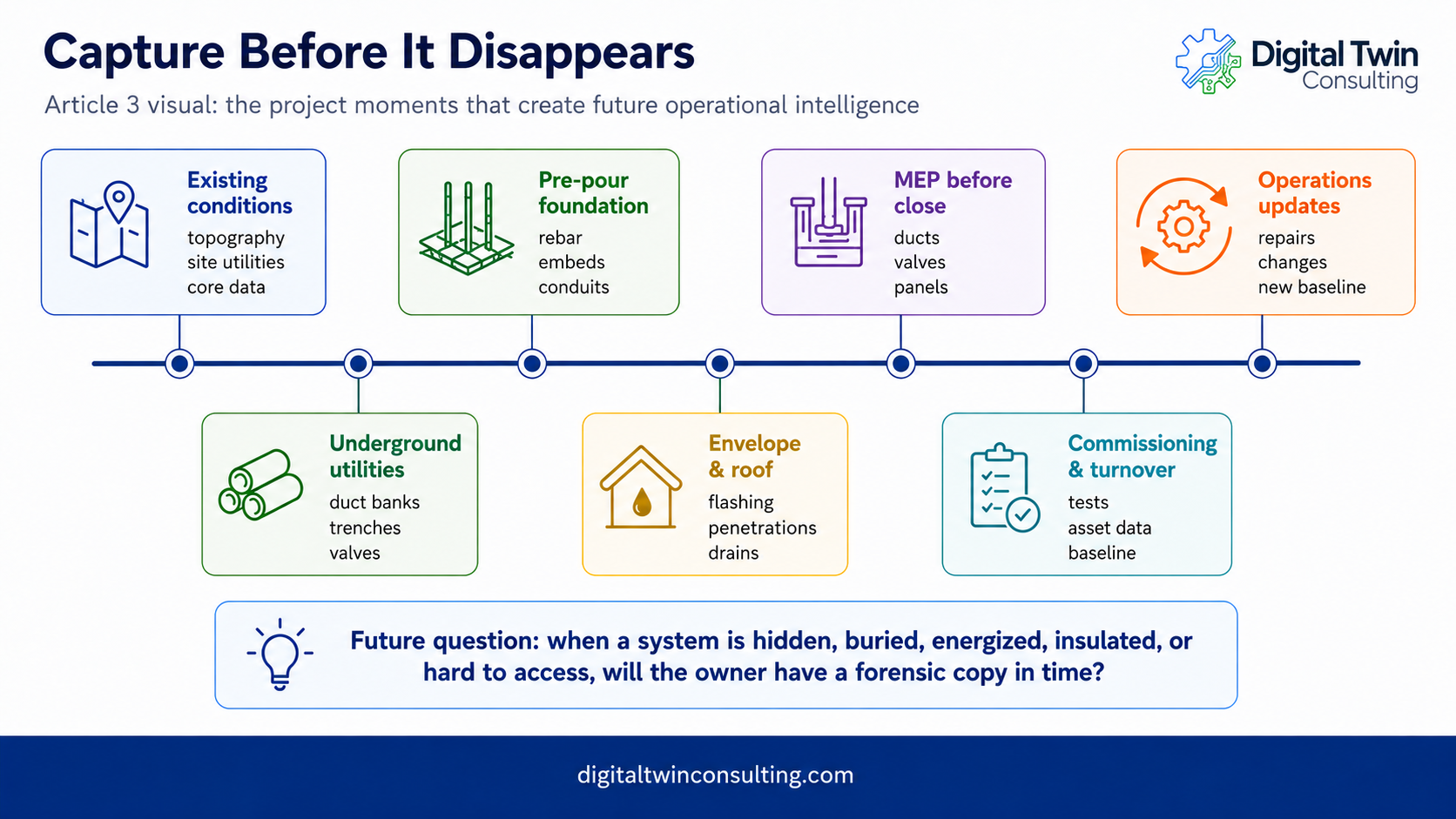
The business problem: hidden systems become future uncertainty
Most facilities have critical information hidden in places people cannot easily see later: underground utilities, conduits in slabs, sleeves in walls, firestopping, valves above ceilings, ductwork behind access panels, pipe joints, roof penetrations, drain routes, sensors, dampers, electrical circuits, security cabling, leak detection, equipment labels, panel schedules, flow arrows and building envelope transitions.
When the building is live, verifying these conditions can be disruptive and expensive. Someone may need to open ceilings, remove access panels, cut walls, schedule shutdowns, coordinate escorts, issue permits, bring lifts or work around operations.
For critical environments such as data centers, hospitals, industrial plants, manufacturing sites, airports and campuses, that uncertainty can create safety, cost, downtime, security and schedule risk.
The solution is to capture the right evidence at the right moment.
A milestone framework based on future questions
A good capture plan should follow the sequence of construction and ask one simple question at each stage: what will the owner wish they could see later, and which spaces, assets, systems, parties, intents, services, events and contracts should be documented at this milestone?
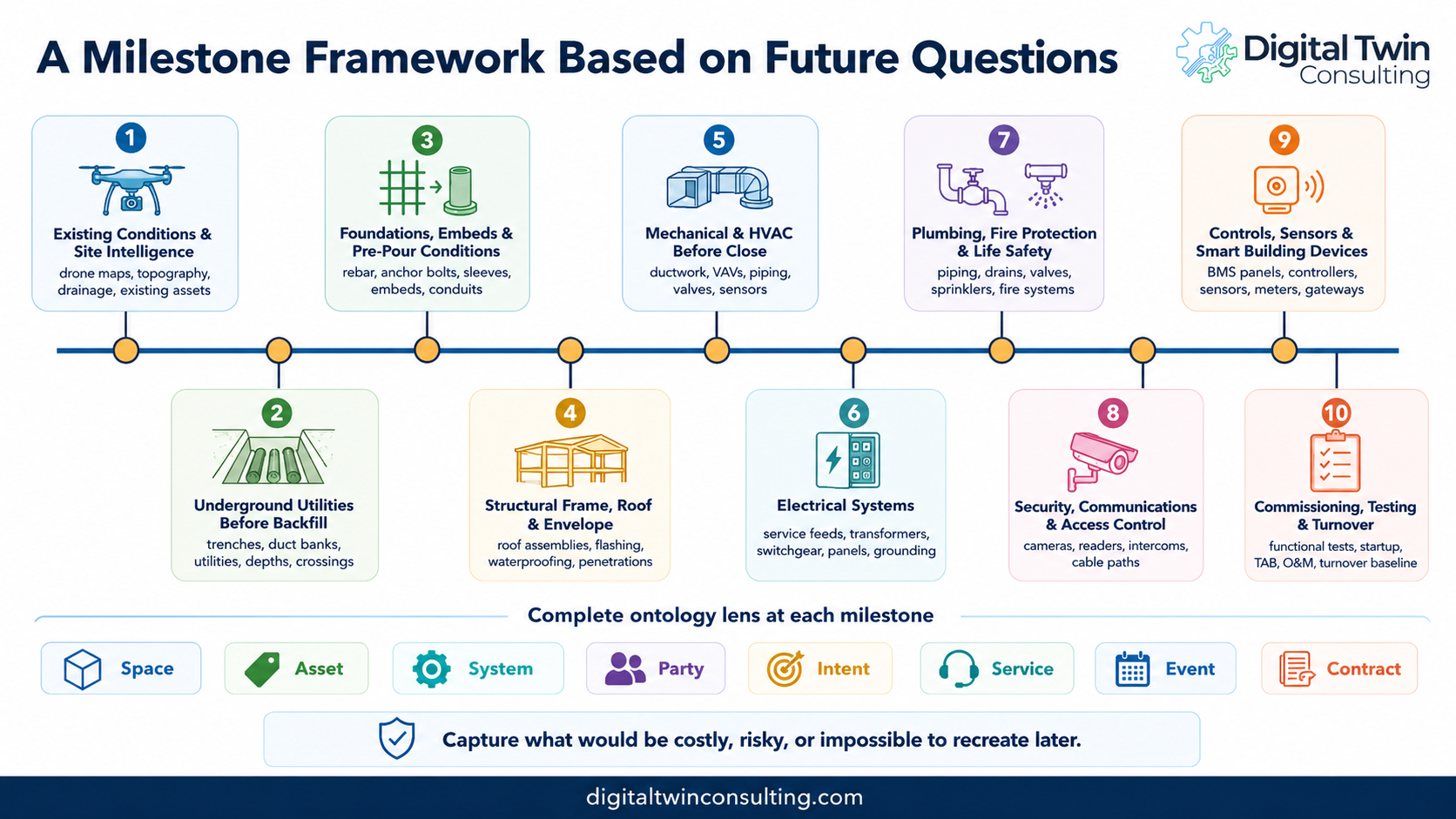
1. Existing conditions, topography and site intelligence
Future question: When we expand, repair, improve drainage, establish access or plan future work, will we understand the original site context?
Priority capture: Drone maps, topography, access roads, laydown areas, drainage patterns, existing assets, surrounding constraints, neighboring structures, survey control, geotechnical references, core samples where available and historical drawings.
2. Underground utilities before backfill
Future question: Five years from now, when we need to dig, will we know what is underground?
Priority capture: Trenches, duct banks, conduits, chilled water, domestic water, sanitary, storm, fire water, gas, telecom, grounding grids, vaults, manholes, cleanouts, valve boxes, thrust blocks, utility crossings, depths and transitions.
3. Foundations, embeds and pre-pour conditions
Future question: Before we core, anchor, renovate or investigate, can we see what is inside the slab or wall?
Priority capture: Rebar, anchor bolts, sleeves, blockouts, embeds, grounding, conduits in slab, floor boxes, floor drains, cleanouts, sump pits, waterproofing, vapor barriers, structural penetrations and utility routes in slabs or core walls.
4. Structural frame, roof and building envelope
Future question: If a leak, warranty issue or envelope defect appears later, do we have visual evidence of what was installed?
Priority capture: Roof assemblies, flashing, vapor barriers, waterproofing, wall systems, curtain wall interfaces, penetrations, louvers, parapets, drains, scuppers, expansion joints, sealants, insulation and transitions between trades.
5. Mechanical and HVAC before ceiling or wall close
Future question: If there is a fault, leak, airflow issue or access problem, can we see what is above the ceiling, behind the wall or below the floor before opening anything?
Priority capture: Ductwork, dampers, VAV boxes, fan power boxes, actuators, sensors, access panels, piping, valves, pumps, strainers, coils, insulation, hangers, condensate lines, drain pans, equipment nameplates and control devices.
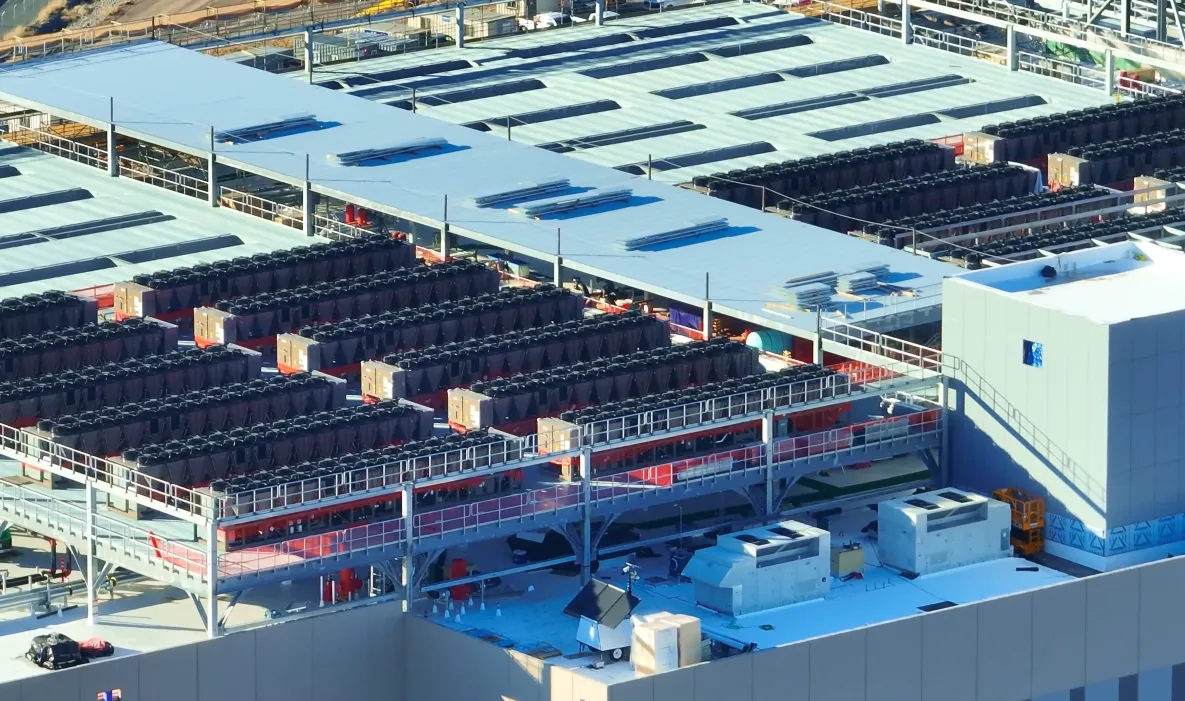
6. Electrical systems from service entrance to circuit
Future question: If we need load studies, troubleshooting, commissioning validation or future renovation, can we see how power was actually built?
Priority capture: Service connections, utility feeds, transformers, switchgear, generators, ATS, UPS systems, battery systems, distribution panels, busway, cable trays, grounding, lighting controls, emergency power, branch circuit panels, panel interiors where safe, labels, panel schedules and circuit references.
7. Plumbing, fire protection and life safety
Future question: If there is a leak, alarm, emergency event or compliance issue, can we understand the installed condition quickly?
Priority capture: Domestic water, sanitary, storm, condensate, process water, drains, valves, cleanouts, joints, fittings, traps, supports, insulation, wall penetrations, roof penetrations, sprinkler mains, branch lines, fire pumps, standpipes, clean agent systems, firestopping, egress hardware and emergency lighting.
8. Security, communications and access control
Future question: If a security upgrade, incident or emergency response need arises, do teams understand doors, devices, pathways and secure spaces?
Priority capture: Cameras, access control readers, door contacts, request-to-exit devices, intercoms, control panels, gateways, communication rooms, cable paths, secure room interfaces and sensitive access areas.
9. Controls, sensors and smart building devices
Future question: If a system fault appears later, do we know where the control device is and what it is connected to?
Priority capture: BMS panels, controllers, sensors, actuators, meters, gateways, network cabinets, thermostats, occupancy sensors, leak detection, vibration sensors, power meters, calibration references and device spaces.
10. Commissioning, testing and turnover
Future question: Can we connect what was designed, what was installed and what was tested?
Priority capture: Functional test evidence, punch list closure, equipment startup, TAB reports, electrical testing, alarm testing, fire life safety testing, integrated systems testing, final O&M data, asset references and turnover baseline imagery.
The purpose of this framework is not to make the construction team capture everything. The purpose is to capture conditions that would be expensive, risky or impossible to recreate, and that are likely to remain valuable in the future.
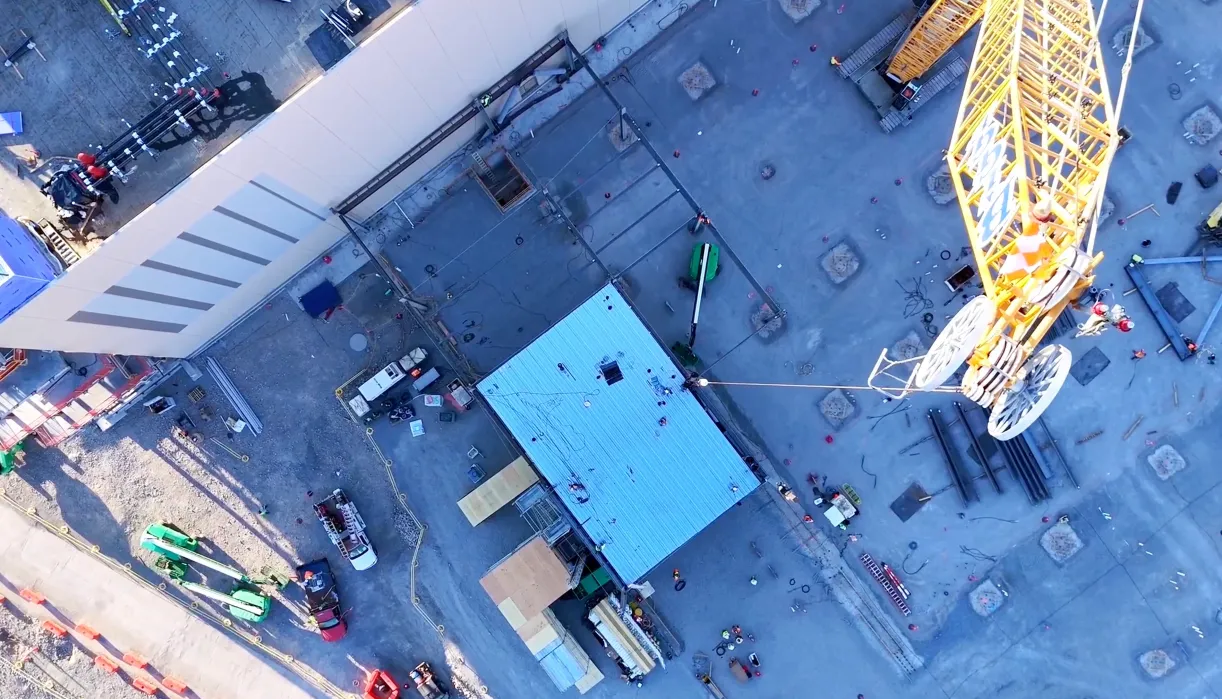
Why this matters for future work
The value of milestone capture appears when future teams need to make decisions. A capital project team can review existing conditions before designing a renovation. A maintenance planner can understand access constraints before assigning work. A contractor can price work more accurately before mobilization. A facility manager can see roof penetrations before investigating a leak. An electrical engineer can review panel schedules and equipment rooms before a load study. A safety team can understand a critical room before sending people into it.
In a data center, this may support uptime, redundancy, power availability, cooling performance, security and incident response. In a hospital, it may support patient safety, infection control, emergency power, medical gases, life safety and sensitive work planning. In a manufacturing facility, it may support production uptime, utility routing, equipment replacement and shutdown planning. On a campus, it may support dig safety, renovation planning, building maintenance and public safety.
The use cases change by facility type, but the principle is the same: capture hidden conditions before they become hidden problems.
See how builders are creating a detailed record of their projects that they can access from anywhere:
Keep capture practical and manageable
The most common mistake is trying to make the capture program either too simple or too perfect. Too simple means taking random photos and hoping someone can find them later. Too perfect means trying to capture everything with the highest accuracy, highest cost, highest frequency and heaviest workflow, even when the use case does not require it.
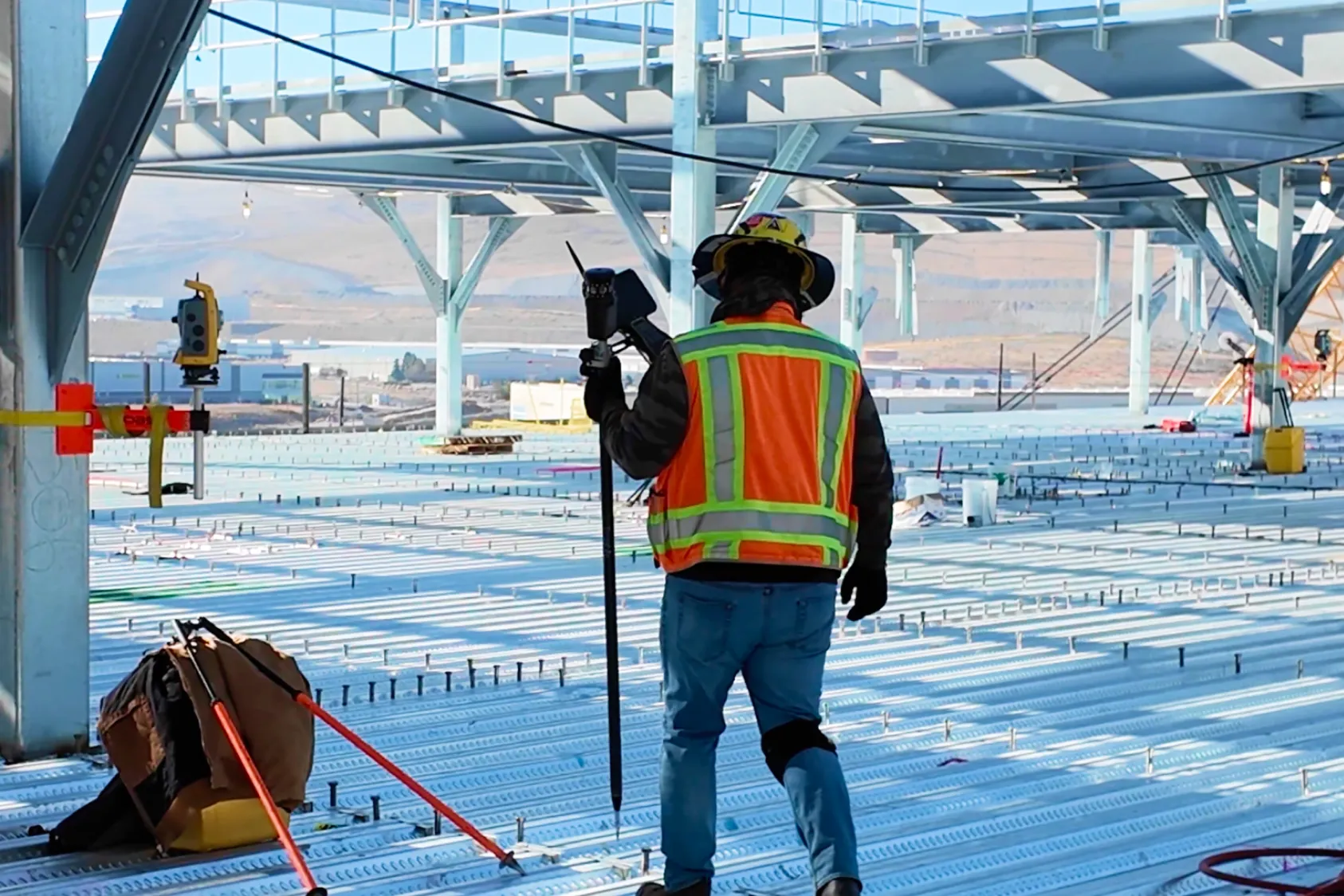
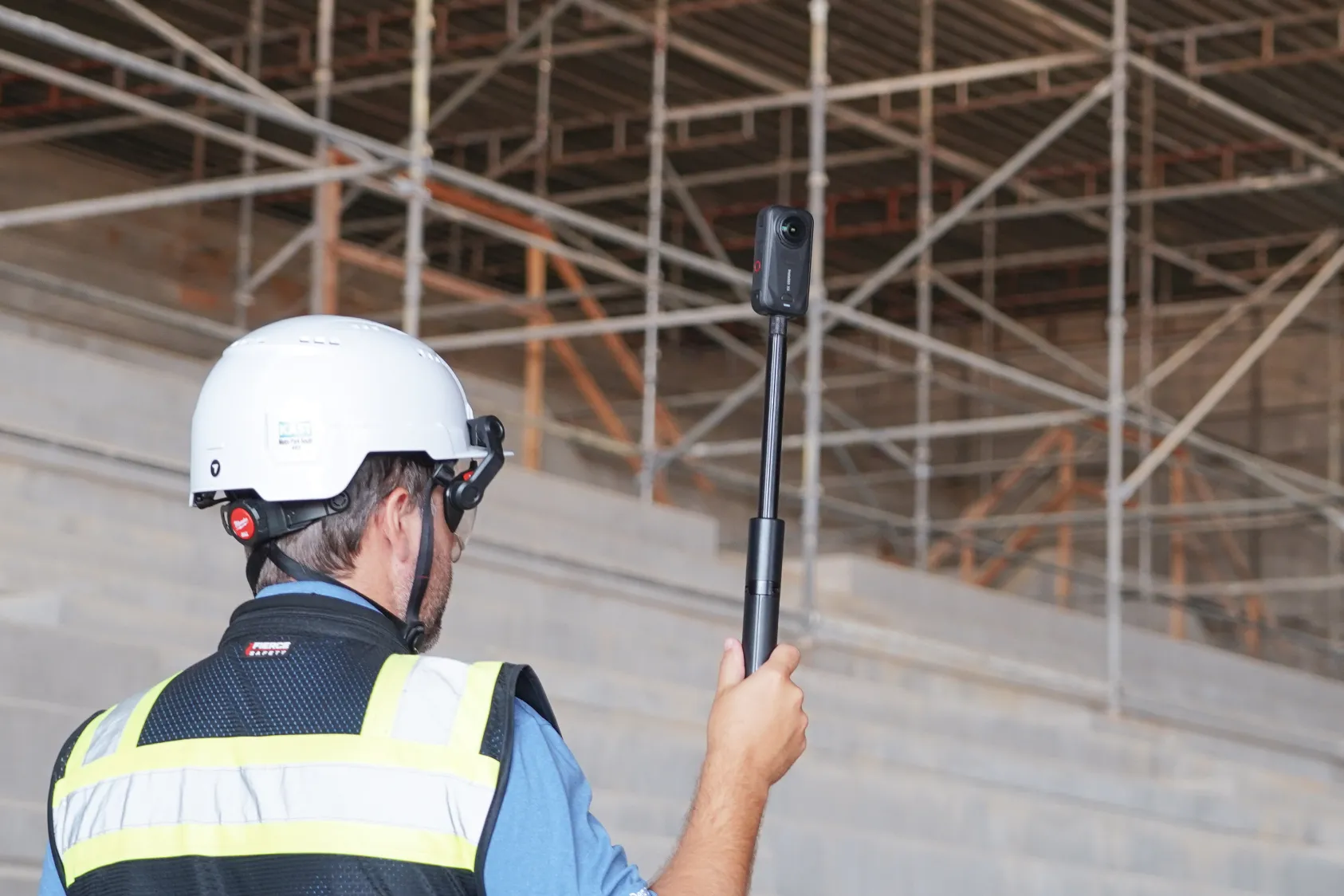
A practical program finds the right level of detail for the decision. A high-resolution 360-degree image may be best for reading valve tags, pipe flow arrows, labels, panel names, safety notes and access conditions. A LiDAR scan may be best for fabrication, clearance validation, design coordination or equipment replacement planning. Drone imagery may be best for roofs, facades, civil progress, exterior utilities, drainage and site logistics. SLAM scanning may be right when teams need fast 3D coverage across large interior spaces.
The capture device, workflow and deliverables should match the operational question.
What to do next
Before the next major construction milestone, create a milestone capture matrix. For each row, define the future operational question, the ontology items to tag, the capture method, the acceptance review, and the long-term storage space.
Key takeaways
- The highest-value capture events often occur before work is covered, buried, enclosed, insulated, energized or made hard to access.
- Construction milestones should be planned around future operational questions.
- Underground utilities, pre-pour conditions, building envelope, HVAC, electrical, plumbing, life safety, controls and commissioning evidence can all become long-term operational memory when tied to the right spaces, assets, systems, parties, intents, services, events and contracts.
- Capture should be practical. High-resolution 360-degree imagery, drone maps, SLAM scans and LiDAR each have different roles and different impacts on cost, complexity, time and intent.
- The goal is to capture what will reduce risk, uncertainty, cost and repeat site visits later.
Continue the series
Part of the five-part series Reality Capture as Operational Memory. Read the other articles:
- Part one: Don't let reality capture die at handover
- Part two: Plan reality capture backward from operations
- Part four: From visual evidence to better work management (coming soon)
- Part five: From a reality capture data fabric to an operational digital twin (coming soon)
About the author

Kelly Watt is a digital transformation leader specializing in digital twin technology for aviation, data centers, smart cities, oil and gas and critical infrastructure.
Kelly is the Co-Founder of Digital Twin Consulting. The firm delivers strategic master planning and the proprietary DTAP
assessment process to digital transformation projects worldwide.
A frequent collaborator with Georgia Institute of Technology, University of Texas at Dallas and Mohawk College, Kelly focuses on practical digital transformation: strategy before technology, value before complexity and adoption before dashboards.
.png)
FAQ
Teams capture site conditions at set milestones using drone maps (DroneDeploy Aerial), 360-degree walkthroughs (Ground), and LiDAR or SLAM scans (Ground Pro). Each capture is tied to a space, date, and system so it can be found and compared later.
The moments before work is hidden: existing conditions, underground utilities before backfill, pre-pour slabs, structure and envelope, mechanical and electrical before ceilings close, plus commissioning and turnover.
Ready to learn more?
Contact sales to see how DroneDeploy can give your teams the power to document and analyze your sites from the air and ground – all in one AI-powered platform.